Campaigns rarely go from high-performing to dead overnight.
The early warning signs are hidden in your KPIs. A slow leak in click-through rates, a quiet drop in conversion quality, and engagement sliding week after week.
Ignore these signals and the consequences pile up fast: wasted ad spend, angry clients, eroded ROI, and months of recovery work. But here’s the catch. Most teams don’t spot them until it’s too late.
Senior marketing managers and agency account leads are on the front lines of this reality. You manage the campaigns, watch the dashboards, and have the power to raise the flag before results collapse. Spotting the red flags early isn’t just smart, it’s the difference between a controlled course correction and a full-blown failure.
Why marketers should care
For mid-level marketing leaders, KPIs aren’t just numbers in a report; they are the story of your campaign’s health and your credibility as a decision-maker.
- In-house teams: A missed KPI trend means wasted budget, missed targets, and uncomfortable conversations in quarterly reviews.
- Agencies: Letting performance slide without raising it proactively can weaken client trust and jeopardize retention.
Whether you’re managing paid media, organic growth, or multi-channel campaigns, KPIs are more than scoreboards; they’re diagnostic tools. When used properly, they give you actionable insight to pivot, optimize, and protect results while there’s still time.
The 6 red flags
In this blog, we’ll break down 6 KPI red flags that show your marketing campaigns are on a downward trajectory, even if they don’t look like it yet on the surface.
For each, we’ll explore:
- What’s happening → the KPI shift you might see
- Why it matters → how it can damage performance and ROI
- Why it’s overlooked → common blind spots in marketing teams
- How to fix it → practical actions to reverse the trend
These apply whether you’re in an agency managing multiple accounts or in-house driving campaigns for one brand. Let’s jump into the first red flag.
KPI red flag #1: CTR drops but impressions climb
Your ads or boosted content are reaching more people than before, but fewer are clicking through. On the surface, impressions going up looks like success. In reality, CTR (click-through rate) sliding while impressions climb is a sure sign your audience sees your message, they just don’t care enough to engage.
Negative impact:
- Wasted ad spend on impressions that aren’t converting.
- Declining relevance scores on PPC platforms, driving up cost-per-click.
- Lower quality traffic entering the funnel, hurting downstream conversion rates.
Why it’s overlooked:
Teams often celebrate reach growth without pairing it with CTR analysis. Leadership loves “exposure” metrics, but exposure without engagement is empty airtime.
Fixes:
- Test fresh ad creative, headlines, and CTAs that match the audience’s current mindset.
- Rotate visuals and copy more frequently to combat ad fatigue.
- Revisit audience targeting, ensuring segments still match the campaign message and offer.
KPI red flag #2: Lead volume steady, conversion rate falls
You’re attracting the same number of leads as before, but fewer are turning into paying customers, sign-ups, or key goals. The top of your funnel is holding, but the middle is leaking.
Negative impact:
- Higher cost-per-lead (CPL) with poor ROI.
- Shrinking pipeline quality, creating sales frustration.
- Marketing budget under scrutiny as acquisition efficiency drops.
Why it’s overlooked:
Lead count is often treated as a vanity metric, “we hit our target”, while ignoring conversion percentages. Teams may assume sales will “pick it up” without rooting out acquisition quality issues.

Source: Statistica
Fixes:
- Audit lead sources to identify low-intent channels or campaigns.
- Improve lead nurturing sequences and content alignment across the buyer journey.
- Strengthen marketing-sales handshake with faster follow-up and refined qualification criteria.
KPI red flag #3: Engagement rate slides on organic content
Your organic posts are being seen, maybe even more than before, but likes, comments, shares, and saves are dropping. This signals a weakening relationship with your audience.
Negative impact:
- Social algorithms reduce organic distribution, compounding engagement loss.
- Lower brand resonance and visibility in communities.
- Eventual decline in both follower growth and organic reach.
Why it’s overlooked:
View counts and follower numbers distract from engagement health. “The content is getting views” becomes the headline, while audience interaction quietly collapses.
Fixes:
- Reassess content themes. Are you still addressing your audience’s current challenges and interests?
- Add conversation drivers: polls, questions, and interactive media.
- Monitor per-platform engagement trends; performance may dip faster on one channel than others.
- Refresh posting cadence and creative approach to regain attention.

KPI red flag #4: CPL rising without volume growth
Your cost per lead (CPL) keeps climbing, but the volume of leads stays the same, or worse, drops. You’re paying more to acquire the same (or fewer) leads, signalling targeting inefficiencies or underperforming ad placements.
Negative impact:
- Budget efficiency erodes quickly, reducing campaign ROI.
- Greater scrutiny from leadership or clients on media spend.
- Limits scale potential. You’re spending more without expanding the pipeline.
Why it’s overlooked:
Teams often focus on total leads rather than comparing cost efficiency over time. CPL can creep upward unnoticed if budgets and targeting aren’t reviewed frequently.
Fixes:
- Audit ad targeting. Remove low-engagement segments.
- Test lower-cost channels alongside current high-CPL sources.
- Adjust bidding strategies (manual vs. automated) to match audience intent.
- Rotate creatives more frequently to fight ad fatigue.
KPI red flag #5: Bounce rate increases on landing pages
Traffic lands on your campaign’s page and leaves almost instantly. Bounce rate spikes indicate visitors aren’t finding what they expected or are turned off by the experience.
Negative impact:
- Paid traffic is wasted before it can convert.
- Reduced quality scores in ad platforms, increasing cost per click.
- Brand trust erodes if the message feels misleading or UX is poor.
Why it’s overlooked:
Marketers can be so focused on acquiring traffic that they neglect analyzing what happens once visitors arrive. Bounce rate is often buried in analytics dashboards.
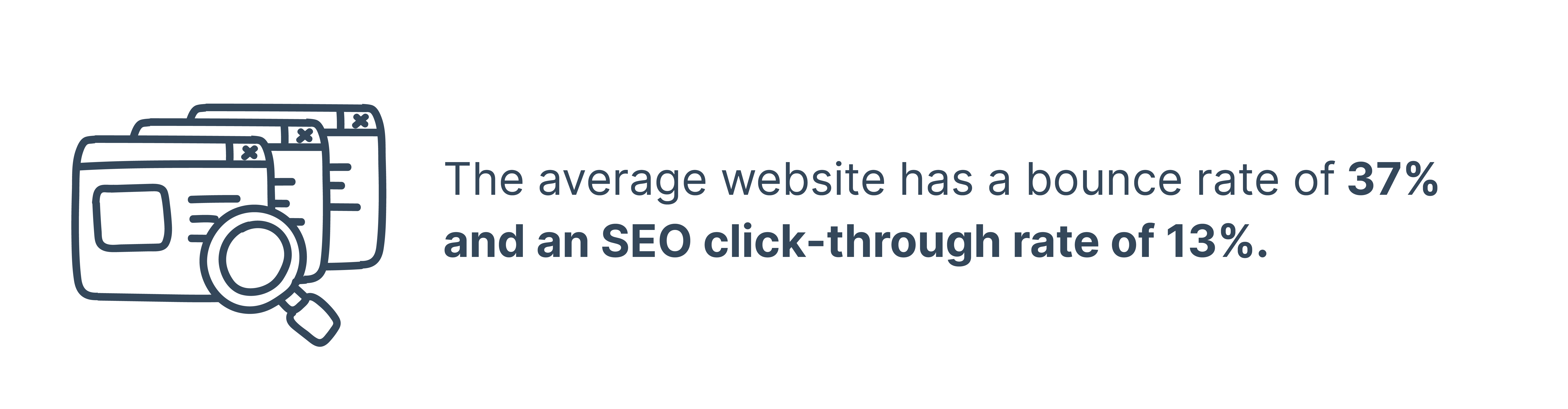
Source: HubSpot
Fixes:
- Audit landing page experience: speed, messaging continuity from ad to page, and mobile optimization.
- Ensure CTA aligns with campaign promise and user expectations.
- Use session-recording tools to identify friction points in user experience.
KPI red flag #6: Pipeline velocity slows despite healthy lead capture
Even with consistent lead generation, deals are taking longer to close, and opportunities move through the pipeline at a snail’s pace.
Negative impact:
- Campaign ROI is delayed, hurting cash flow forecasts.
- Sales teams are frustrated with cold or low-quality leads.
- Growth projections slip due to the lag in conversions.
Why it’s overlooked:
Marketers tend to measure lead capture rates more than how those leads progress toward becoming customers. Pipeline velocity gets labelled “a sales problem” when it’s often an acquisition quality issue.
Fixes:
- Revisit lead qualification criteria to ensure marketing delivers sales‑ready prospects.
- Enhance mid-funnel nurturing with targeted content to maintain momentum.
- Collaborate with sales to identify drop-off points and adjust campaigns accordingly.
Key takeaways:
All six of these KPI red flags are early warning signals that campaigns are losing traction.
Ignoring them creates bigger problems, from spiralling ad costs to client churn, but catching them early allows you to pivot, reallocate resources, and protect ROI before the damage is done.
Strategic & practical takeaways
For senior marketers, digital marketing managers, and agency account leads, KPIs are the first and most reliable indicators of campaign health. The most important takeaway?
Don’t just monitor KPIs. Interpret them, react to them, and share the story behind them.
Here’s how to make these red flags work for you instead of against you:
- Build a KPI early-warning dashboard
- Track metrics in real time.
- Set thresholds to trigger alerts when trends shift.
- Pair metrics together
- Don’t view CTR, CPL, or bounce rate in isolation. Combine them to reveal true performance patterns.
- Schedule mid-campaign KPI reviews
- Assess results at regular intervals, not just post‑campaign.
- Use these reviews to reallocate spend while there’s still time.
- Collaborate cross‑functionally
- Work with content, creative, and sales teams early to troubleshoot red flags before they become irreversible trends.
- Document KPI trends and your actions
- Provide leadership or clients with context for what you saw, how you responded, and the outcomes of changes made.
By becoming the marketer who spots and fixes problems before they escalate, you strengthen your reputation internally and with clients, ensuring campaigns run leaner, smarter, and with greater impact.
Let Hurree turn your KPI tracking into a real-time warning system
Campaign failure doesn’t happen in one day. KPI red flags show up early, but only if you know where to look.
Hurree brings all your marketing metrics into one unified dashboard so those red flags never get buried.
With Hurree you can:
- Centralize KPIs across channels: With 70+ connectors, you can monitor paid, organic, social, email, CRM and more, for a single view of campaign health.
- Set performance benchmarks to flag when CTR, CPL, engagement, or conversion rates deviate from your thresholds.
- Drill down into segment-level performance to catch declines where they matter most.
- Share live dashboards with internal stakeholders or clients to show proactive optimization efforts.
- Get access to real-time data with data refreshing hourly, meaning you always have access to the most up-to-date and reliable data.
Whether you’re managing campaigns for one brand or many, Hurree gives you the tools to catch KPI trouble early, take action fast, and keep performance, and ROI, on track.
On a concluding note
Your KPIs are more than just numbers. They’re signals telling you when a campaign is veering off course.
Ignoring those signals turns small, fixable issues into major budget leaks, poor ROI, and in some cases, campaign failure. Whether you’re running ads for multiple clients or managing a single brand in‑house, catching KPI red flags early is what separates high-performing marketers from those constantly firefighting issues.
Protect your campaigns, protect your results, protect your reputation.


Share this

Measuring Content Marketing Success: Essential Metrics to Track

How to Use a Dashboard for Project Management