Your client’s launch is more than just another campaign. It’s high-stakes proof of your agency’s ability to drive results when it matters most. The margin for error? Almost zero.
One overlooked GTM detail can waste months of planning, sink the launch budget, and worst of all, position your agency as the reason success slipped away.
It’s not just the client’s product at risk. Your reputation, renewals, and upsell opportunities are riding alongside every GTM plan you produce.
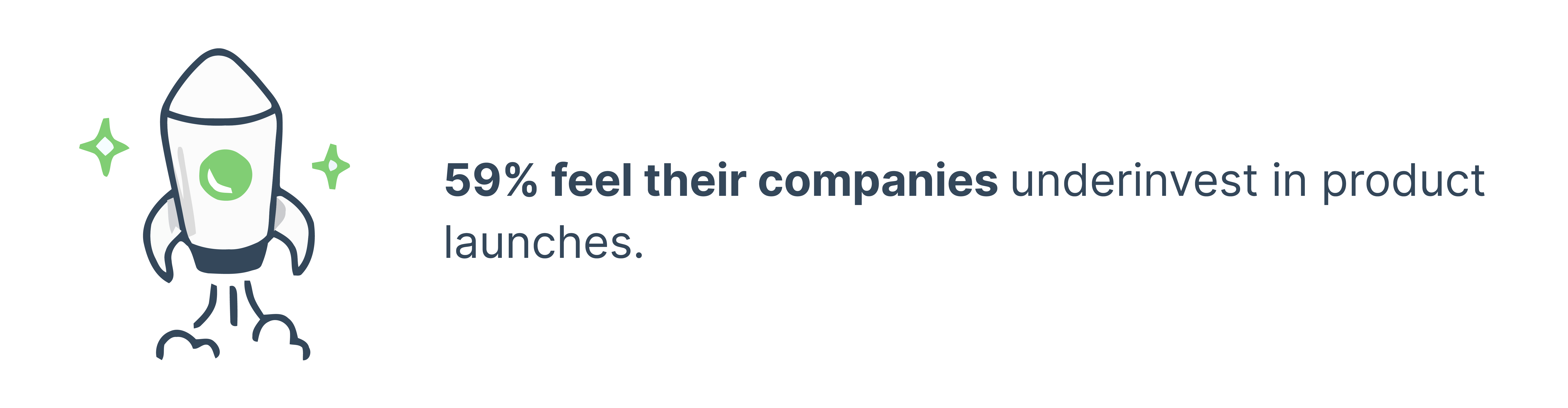
The truth agencies don’t like to admit: most failed launches aren’t doomed by market conditions; they’re derailed by avoidable, operational mistakes. Incorrect audience assumptions, mismatched channel plans, weak launch readiness checks; all things an agency team can control if they see them early enough.
Why your agency must care
In most agencies, the heavy GTM lifting doesn’t sit with the C-suite; it sits with the account managers, the campaign leads of the project strategists. They are the ones:
- Coordinating market research with creative teams.
- Building the channel mix plan.
- Managing dependencies between production, media buying, and launch date.
- Making sure pre-launch assets and tracking are in place.
If even one step is off, it’s not just a bump in the road, it can derail the entire launch, making your agency look reactive instead of proactive.
And that perception has consequences:
- For renewals: Launch-day misfires are remembered during contract reviews.
- For upsells: Confidence in adding service scope erodes.
- For career growth: Accountability for GTM outcomes sits with the person who owns execution.
Getting GTM right means not just avoiding mistakes. It means recognizing the blind spots that agencies often overlook.

GTM fundamentals: A quick primer
A go-to-market strategy is the coordinated plan for how a product will enter its market, win attention, and generate sales traction.
For agencies, building GTM strategies is about shaping the first impression that buyers will have of a client’s product. Done right, it sets the tone for long-term success.
Core pillars of GTM in agency work:
- Target audience research: Identifying exactly who the launch must reach, and validating that with data.
- Positioning & messaging: Crafting the value proposition that differentiates the product in its market.
- Channel mix: Choosing the right blend of paid, organic, PR, partnerships, and events.
- Launch timeline: Mapping the stages from pre-launch build-up to day-one activation.
- Post-launch optimization: Monitoring metrics immediately after go-live to pivot quickly if needed.
Role in an agency-client relationship:
A flawless GTM strategy shows the client that your agency can orchestrate complex campaigns across multiple functions and stakeholders.
A flawed one? It risks the product, the relationship, and the perception of your agency’s strategic agility.
6 GTM mistakes agencies make (and how to fix them)
Mistake #1: Misidentifying the target audience
Skipping deep audience validation and relying solely on client-provided persona information or outdated data. This leads to campaigns targeting the wrong people or missing high-value buyer segments.
Big-picture impact:
- Low launch engagement and off-target messaging.
- Wasted ad spend and poor ROI.
- Clients can lose confidence in the agency’s market insight.
Why it’s overlooked: Pre-launch timelines are tight, and audience research can feel “complete enough” after a single workshop or client-delivered deck.
Fix it:
- Conduct independent audience validation via surveys, CRM data, and social listening.
- Review competitor positioning to identify overlooked segments.
Mistake #2: Weak value proposition alignment
Messaging that focuses on product features without articulating how it solves a specific customer pain point.
Big-picture impact:
- Product fails to differentiate in a crowded market.
- Lower emotional connection and conversion rates.
- Harder to sustain momentum post-launch.
Why it’s overlooked: Creative often runs ahead of strategy. Messaging is locked before research findings are fully synthesised.
Fix it:
- Build proposition frameworks, mapping features to customer benefits.
- Test messaging variations with sample audiences prior to finalising campaign assets.
Mistake #3: Channel mix mismatch
Investing heavily in channels that don’t align with the target audience’s buying journey (e.g., over-investing in LinkedIn when your audience is primarily active on niche forums or industry events).
Big-picture impact:
- Disconnected touchpoints lead to weak conversion funnels.
- Budget drains without building momentum in key channels.
Why it’s overlooked: Channel decisions are often based on past successes with other clients, not current audience behaviour.
Fix it:
- Map chosen channels to persona engagement data.
- Run small-scale tests before committing full launch budgets.
Mistake #4: Overlooking pre-launch enablement
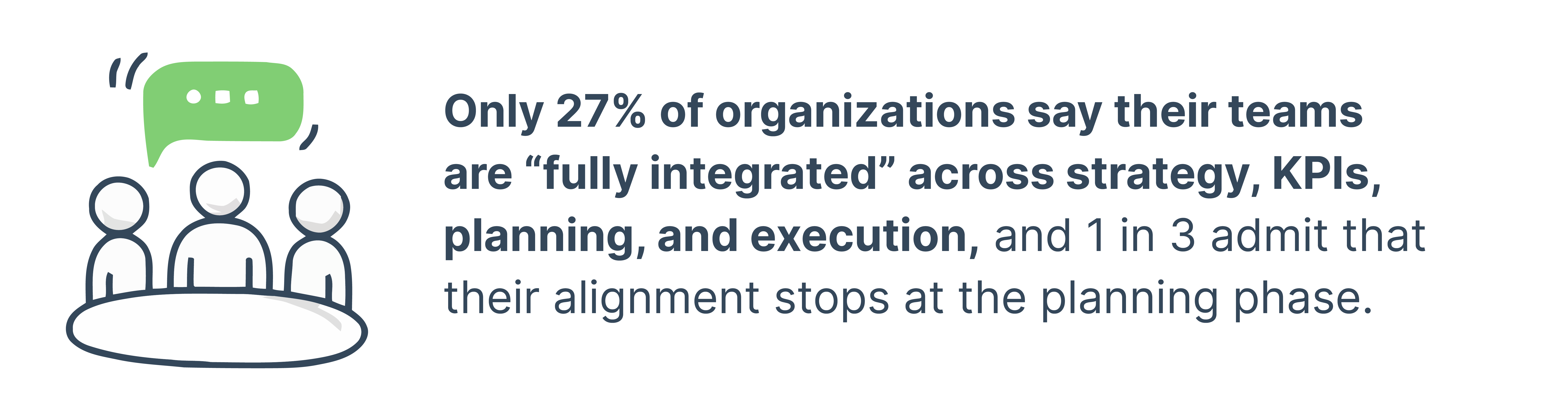
Neglecting internal/external readiness steps such as sales team training, partner alignment, and PR coordination before launch day.
Big-picture impact:
- Leads from launch activities aren’t followed up on appropriately.
- Partnerships and media fail to amplify reach.
- Post-launch drop-off occurs faster.
Why it’s overlooked: Focus remains on creative and media execution, while enablement gets treated as a “nice-to-have.”
Fix it:
- Include readiness milestones in GTM timelines, sales playbooks, partner kits, and press releases.
- Assign accountability for enablement tasks within the agency/client team.
Source: The Spot
Mistake #5: Ignoring post-launch optimization signals
Not monitoring live performance closely in the first 72 hours to make quick optimizations (creative swaps, bid adjustments, channel spend shifts).
Big-picture impact:
- Momentum dies as underperforming campaigns run unchecked.
- Client questions why obvious adjustments weren’t made early.
Why it’s overlooked: Teams often consider “launch” the endpoint and move to less frequent reporting cadences.
Fix it:
- Set up real-time dashboards and alert triggers for critical KPIs.
- Schedule daily optimisation stand-ups during launch week.

Source: Ignition
Mistake #6: Underestimating launch timelines and dependencies
Planning creative production or tech integrations too close to launch, causing delays or incomplete asset readiness.
Big-picture impact:
- Missed media slots and reduced launch reach.
- Loss of alignment between campaign components.
Why it’s overlooked: Optimism bias, assuming all deliverables will be completed exactly as scheduled.
Fix it:
- Build contingency buffers into GTM timelines.
- Maintain a shared launch readiness tracker across teams.
Hypothetical case study: When GTM misses the mark
An agency working on a consumer tech product plans a high-profile launch.
The issues:
- Over-reliance on client-supplied personas misses a key early-adopter segment.
- PR outreach was pushed to post-launch instead of pre-launch buildup.
- No early optimization plan resulted in underperforming ads running for weeks.
Results:
- Target segment engagement was 40% below expectations.
- PR coverage dropped because launch-day pitches arrived late.
- ROI from paid spend fell short, and the client attributed it to “poor GTM execution.”
Six months later? The client moved launch responsibilities to another agency.
Lesson: GTM isn’t just a checklist, it’s a coordinated, proactive effort. Skipping steps undermines both client success and agency credibility.
Tactical agency takeaways
- Validate before you build: Audience, channels, and messaging should be data-led.
- Integrate enablement into timelines: Sales and partner readiness is part of launch success.
- Monitor and optimize: Treat launch week like a sprint, not a victory lap.
- Own dependencies: Anticipate asset readiness and channel approvals well ahead.
Let Hurree keep Your GTM strategy launch-ready
A GTM strategy can fail silently, until launch day, when it’s too late to fix. Hurree gives agency teams end-to-end visibility on the metrics and readiness milestones that define launch success.
With Hurree, agencies can:
- Centralize GTM data from research, channel testing, and creative readiness into one dashboard.
- Segment audience insights to validate targeting pre-launch.
- Monitor live launch KPIs with automated alerts for quick optimisations.
- Share client-facing GTM dashboards to prove readiness and performance at every stage.
Hurree turns GTM from a high-risk event into a fully transparent process your clients can trust, and your agency can scale with.
Even the most creative GTM campaign will fail if operational blind spots go unchecked. Agencies that deliver flawless launches win trust, renewals, and long-term growth.
Don’t let preventable mistakes cost your next client project.


Share this

KPIs That Marketing Agencies Should Track

The Hidden Cost of Disconnected Data for Marketing Agencies